Curves, Cathodes, and Collector Clout: The Vintage Monitor Market Is Heating Up Fast
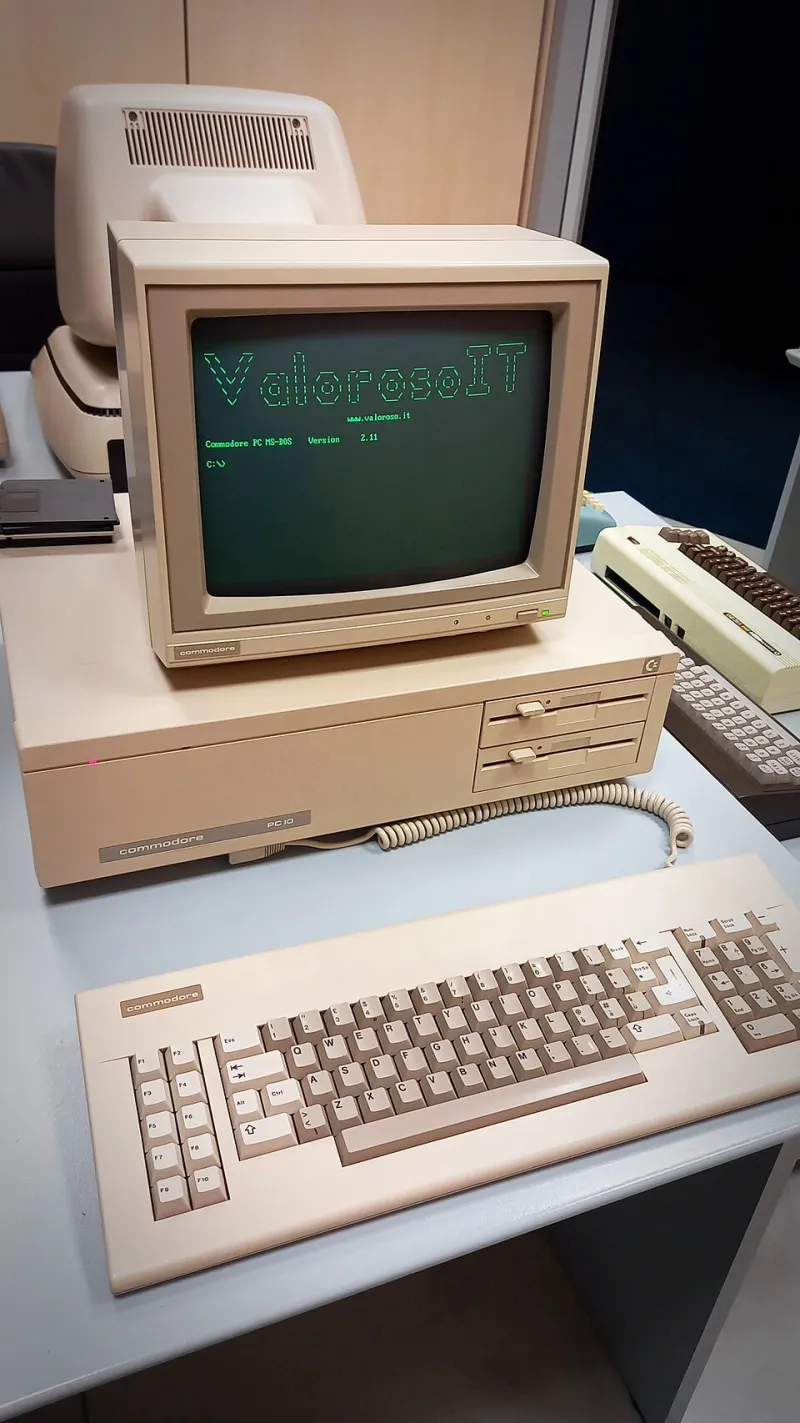
Photo: ValorosoIT, CC BY-SA 4.0, via Wikimedia Commons
They're heavy, they hum, they take up half your desk, and right now collectors across the country are paying serious money to get their hands on them. The vintage monitor market — from glowing CRT tubes to the earliest flat panels — has quietly become one of the most competitive corners of retro tech collecting, and if you've been sleeping on it, you might be starting to fall behind.
Forget the idea that old monitors are just bulky garbage waiting to go to the e-waste pile. Among the right collectors, a mint-condition Sony PVM professional monitor or a rare Apple Studio Display can command prices that would make your jaw drop. This is a market that rewards knowledge, patience, and a willingness to haul something that weighs forty pounds up a flight of stairs.
Why Now? The Forces Driving the CRT Revival
The timing of this collecting boom isn't random. A few different trends converged at roughly the same moment, and the result has been a surge of demand that the supply side simply hasn't kept up with.
First, retro gaming went mainstream. As players rediscovered classic consoles from the NES era through the PlayStation 2 generation, they started noticing something uncomfortable: these games were designed for CRT televisions, and they look genuinely wrong on modern flat screens. The pixel art, the scanline aesthetics, the input lag characteristics — all of it was built around how a cathode ray tube renders an image. Play Street Fighter II on a 4K display and something feels slightly off. Play it on a proper CRT and it clicks into place like it was always meant to.
Second, the streaming and content creation world discovered that vintage monitors are incredible set dressing. A well-chosen CRT on a shelf behind a YouTube setup or a Twitch stream signals authenticity, taste, and technical knowledge in a way that a generic modern monitor just doesn't. Creators who specialize in retro gaming content have been particularly aggressive about sourcing high-quality vintage displays.
Third — and this is the one that surprises people — there's a genuine audiophile-adjacent crowd that has discovered the visual qualities of high-end CRTs. The way a good Sony Trinitron renders color and contrast has a warmth and depth that modern display technology, for all its measurable superiority, doesn't fully replicate. It's not nostalgia talking. It's physics.
The Monitors That Actually Matter
Not all vintage monitors are created equal, and part of becoming a serious collector is learning which models are genuinely sought-after versus which ones are just old and heavy.
Sony PVM and BVM monitors are the undisputed kings of the CRT collecting world right now. These were professional broadcast monitors — the kind that sat in TV studios and production houses. They were built to a completely different standard than consumer sets, with precise color calibration, multiple input options, and construction quality that has allowed many of them to survive decades of heavy use. A Sony PVM-20M4U in good condition can easily fetch $400–$800 on the secondary market. The rarer BVM (Broadcast Video Monitor) series regularly breaks $1,000.
Apple displays occupy a different but equally passionate corner of the market. The original Apple Studio Display from the late 1990s, with its translucent plastic housing that matched the original iMac G3, is one of the most visually distinctive monitors ever made. It's a design object as much as a piece of tech, and collectors who specialize in Apple hardware history treat it accordingly. Early Apple Cinema Displays are also climbing in value.
Commodore, Amiga, and early IBM-compatible monitors attract collectors focused on home computing history. The Commodore 1084 monitor, designed specifically for the Amiga computer line, is a particular favorite — it supports multiple video standards and delivers a picture quality that still impresses people who know what they're looking at.
Gaming-specific CRTs, including monitors designed for arcade cabinet conversions or early PC gaming, are a niche within a niche that gets surprisingly technical. Certain models with specific dot pitch measurements and refresh rate capabilities are considered optimal for particular types of gameplay, and that community knowledge drives premium pricing on otherwise obscure hardware.
Evaluating Condition: What to Look For
Buying a vintage monitor without knowing what to check is a great way to end up with an expensive paperweight. Here's what experienced collectors actually examine before committing to a purchase.
Screen geometry and convergence are the first things to test on any CRT. Display a grid pattern and look for warping at the edges or color fringing (where red, green, and blue elements of the image don't perfectly align). Minor issues can sometimes be adjusted. Severe problems often indicate a monitor that's at the end of its usable life.
Burn-in is the classic CRT concern — areas of the screen where a static image was displayed for so long that it left a permanent ghost. This is especially common on monitors that were used in commercial settings with fixed displays. It's often visible when the screen is dark or displaying a solid color.
Physical housing condition matters more than people expect, both for aesthetics and as an indicator of how the unit was stored. Yellowing plastic (caused by UV exposure and oxidation) is common and can actually be reversed with a process called retrobrite, but severe cracking or warping suggests rough treatment.
Original cables and documentation add meaningful value. A monitor that comes with its original box, manual, and manufacturer cables is worth noticeably more to serious collectors than the same unit sold bare.
Building a Collection That Actually Makes Sense
The best vintage monitor collections have a point of view. Random accumulation of old screens isn't collecting — it's hoarding. Think about what story you want your collection to tell.
Are you focused on a specific platform ecosystem, like all Apple displays from the classic Mac era? Are you building a reference library of CRTs optimal for different retro gaming systems? Are you drawn to the industrial design history of computing displays? Having a clear focus helps you make smarter purchasing decisions and creates a collection that's coherent enough to actually be interesting to other people.
Storage and display are also worth thinking about early. CRTs are heavy, generate heat, and require periodic use to stay in good condition. A monitor that sits in a box for years often develops issues that active use prevents.
At RetroVault, we're watching this market closely — and we're genuinely excited about where it's headed. The vintage monitor space rewards the collectors who do their homework, and right now there are still deals to be found if you know what you're looking for. The window on some of these models won't stay open forever.