Tags, Receipts, and Dust Bags: The Forgotten Fashion Ephemera That Collectors Are Paying Big Money For
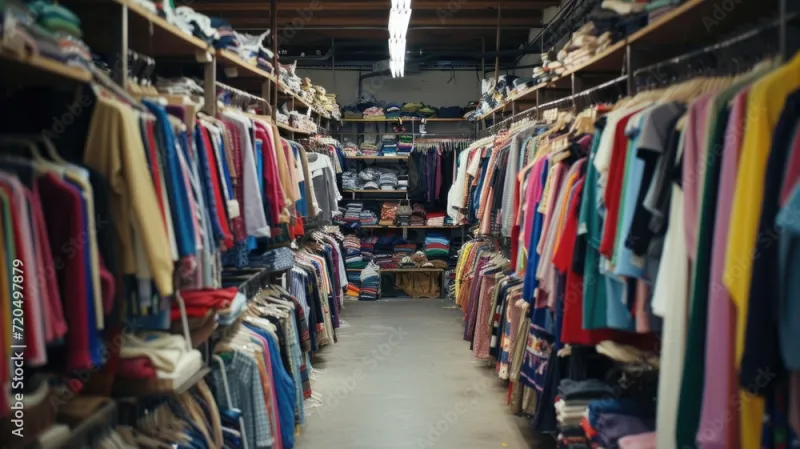
Photo: vintage 90s clothing hang tags retail fashion ephemera thrift store finds, via as1.ftcdn.net
There's a cardboard hang tag from a 1997 JNCO jeans run sitting in a sealed acrylic case right now, listed on eBay for $85. It's not the jeans people want. It's the tag. If that sounds wild to you, welcome to one of the most unexpected corners of modern collecting — vintage fashion ephemera from the 90s and early 2000s, a world where the throwaway stuff is suddenly the treasure.
At RetroVault, we spend a lot of time thinking about the objects most people tossed without a second thought. Old modems, floppy disks, AOL trial CDs — the junk drawer classics. But fashion ephemera is its own beast entirely, and it's been quietly building steam in collector communities for years. Now it's hitting a tipping point.
Why a Hang Tag Is Worth More Than You Think
The first question most people ask is: why? Why would anyone pay real money for a piece of cardboard that was literally designed to be ripped off and thrown in the trash?
The answer has everything to do with scarcity and nostalgia working together. Hang tags, mall receipts, original designer dust bags, and unworn deadstock apparel from the pre-fast-fashion era survived almost entirely by accident. Nobody saved them. That accidental rarity is exactly what drives collector value today.
Fashion historians have started paying closer attention to this trend. The argument is pretty compelling: these small paper and fabric artifacts capture brand identity, retail culture, and design philosophy in ways that the garments themselves sometimes can't. A hang tag from an early-2000s Von Dutch trucker hat tells you the price point, the branding language, the font choices, the whole cultural vibe of that moment — compressed into something the size of a business card.
Deadstock clothing — meaning unworn pieces still with original tags attached — commands the highest premiums. A never-worn pair of Nike Air Max 95s from 1999, still in the original box with the receipt tucked inside, isn't just a shoe at this point. It's a time capsule.
The Mall Receipt as Historical Document
This might be the most underrated item in the whole category. Mall receipts from retailers like Contempo Casuals, Sam Goody, Wet Seal, The Limited, and similar chains that have since shuttered or transformed beyond recognition are genuinely rare paper documents now. They capture exact prices, store locations, and even the specific register number — hyper-specific details that no archive bothered to preserve.
Collectors focused on retail nostalgia have started framing these receipts alongside photographs of the stores they came from. On platforms like Depop and specialized Facebook groups, complete "mall haul" bundles — a receipt, a shopping bag, maybe a loyalty punch card — from defunct chains regularly sell in the $40 to $150 range depending on the retailer and condition.
The emotional pull is real. For millennials who grew up spending Saturday afternoons at the mall, these receipts are Proustian triggers. They're not buying paper. They're buying a feeling.
Designer Dust Bags and the Luxury Ephemera Market
On the higher end of the spectrum, vintage designer dust bags — those soft fabric pouches that came with handbags and shoes from brands like Coach, Dooney & Bourke, and early-era Kate Spade — have developed their own dedicated collector base. Pre-2005 Coach dust bags with the original tan and brown color scheme and embossed logo regularly sell for $20 to $60 on their own, completely separate from any bag they may have once protected.
The reasoning here blends authentication culture with nostalgia. Vintage luxury resellers have found that original-era dust bags add provenance to their listings, and collectors who want the complete "unboxing" experience — original tissue, dust bag, hang tag, authenticity card — will pay a meaningful premium for that full set.
Authenticity is actually a growing concern in this space. As prices climb, fakes have started appearing. Experienced collectors recommend cross-referencing font styles, stitching patterns, and logo placement against dated catalog images. Online communities like r/VintageFashion and dedicated Discord servers have become valuable resources for verification.
How to Spot Value at Thrift Stores and Estate Sales
Here's the practical side of things, because the best hunting grounds are still the ones most people overlook.
Estate sales are where the real finds live. Older homeowners who were avid shoppers in the 80s and 90s often kept receipts in shoeboxes, dust bags folded in dresser drawers, and deadstock clothing in guest room closets. Arrive early, look past the furniture and kitchenware, and head straight for the bedroom closets and any boxes labeled "miscellaneous."
Thrift stores are hit or miss, but Goodwill Outlet locations — the by-the-pound bins — occasionally surface complete deadstock pieces that donors didn't realize had value. Train your eye to look for original tags still attached, and check inside pockets and shoeboxes for tucked-away receipts.
What to prioritize:
- Unworn garments with original hang tags intact
- Shopping bags from defunct mall chains in good condition
- Original branded shoeboxes with lids and tissue paper
- Dust bags from luxury brands dated before 2005
- Receipts from retailers that no longer exist
- Brand lookbooks and catalog mailers from the 90s
Condition is everything. Water damage, yellowing, and tears dramatically reduce value. For paper ephemera, look for clean edges and legible print. For fabric dust bags, check for staining and fraying.
The Bigger Picture
What's happening with vintage fashion ephemera is the same thing that's been happening across the retro collectibles world for the past decade. Objects that defined a specific cultural moment — and then got thrown away — are being reassessed as the generation that grew up with them reaches peak buying power.
Gen X and older millennials aren't just buying nostalgia. They're preserving it. The argument that a JNCO hang tag belongs in a display case isn't actually that different from the argument that an original NES cartridge or a sealed box of AOL trial discs belongs there too. Cultural artifacts don't require a museum to be worth something. They just need someone who remembers why they mattered.
Your closet, your parents' attic, that bin at the back of the thrift store — they're all potential vaults. The question is whether you know what you're looking at when you find it.